
Identifying Heirs: Common Challenges and Solutions


Understanding the Complexity of Identifying Heirs
Identifying heirs can often be a complex process, filled with legal intricacies and emotional challenges. Whether dealing with a small estate or a large inheritance, the process involves several key steps that require careful attention. Understanding these challenges can help ensure a smoother transition and fair distribution of assets.

Common Challenges in Identifying Heirs
One of the primary challenges in identifying heirs is determining the rightful beneficiaries. In many cases, family relationships might not be well-documented, leading to potential disputes. Additionally, heirs might be geographically dispersed, making it difficult to contact them.
Another significant challenge is dealing with outdated or incomplete wills. If a will has not been updated to reflect changes in family dynamics, it can lead to confusion and potential legal battles. Furthermore, some heirs might not be aware of their status, complicating the process of distribution.
Legal Complications and Their Impacts
Legal complications can arise when there are discrepancies in the interpretation of wills and estate laws. These issues can lead to prolonged court battles and increased costs, reducing the overall value of the inheritance. It is crucial to have clear legal guidance to navigate these waters effectively.
Solutions to Simplify the Process
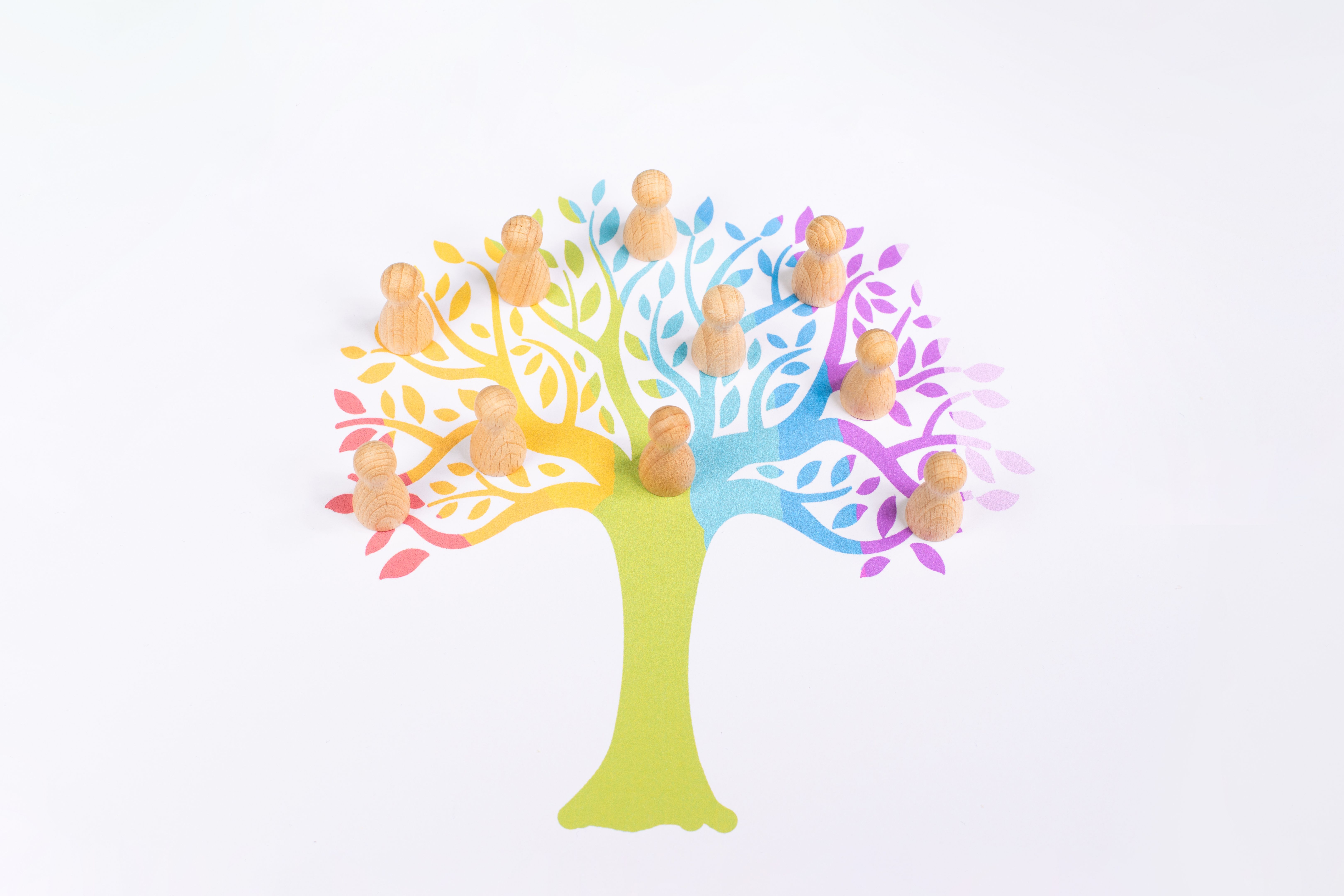
To address these challenges, it's essential to start with a comprehensive family tree that includes all potential heirs. This visual representation can help identify and verify relationships, streamlining the process. In cases where relationships are disputed, professional genealogists can provide valuable assistance.
Updating legal documents regularly is another effective solution. Ensuring that wills and other legal instruments reflect current family situations can prevent misunderstandings and disputes. Consulting with a legal expert experienced in estate law can provide peace of mind and clarity.
Role of Technology in Identifying Heirs
Technology plays a pivotal role in modernizing the process of identifying heirs. Online databases and genealogical tools can help trace family lineages and confirm relationships. These tools reduce the time and effort needed to locate heirs, especially in complex family trees.

Moreover, digital communication platforms facilitate easier contact with heirs who are geographically distant. By leveraging technology, estate planners and executors can ensure a more efficient and transparent process.
Practical Steps for Executors
Executors can take several practical steps to simplify the identification of heirs. First, they should gather all relevant documents, including wills, birth certificates, and marriage licenses. This documentation is crucial for verifying relationships and ensuring legal compliance.
Second, engaging with professionals such as lawyers and genealogists can provide insight and expertise, reducing the risk of disputes. These professionals can offer guidance on navigating legal complexities and ensuring a fair distribution of the estate.

Lastly, open communication with potential heirs is vital. Keeping everyone informed about the process and any developments can help manage expectations and reduce the likelihood of conflict. Transparency builds trust and facilitates smoother transitions.